How to Grow Tuberose
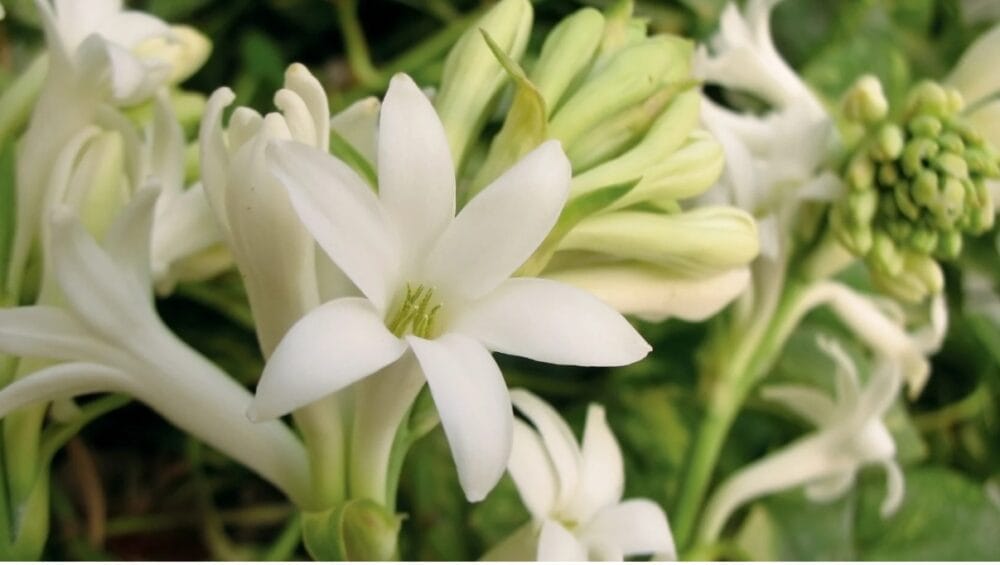
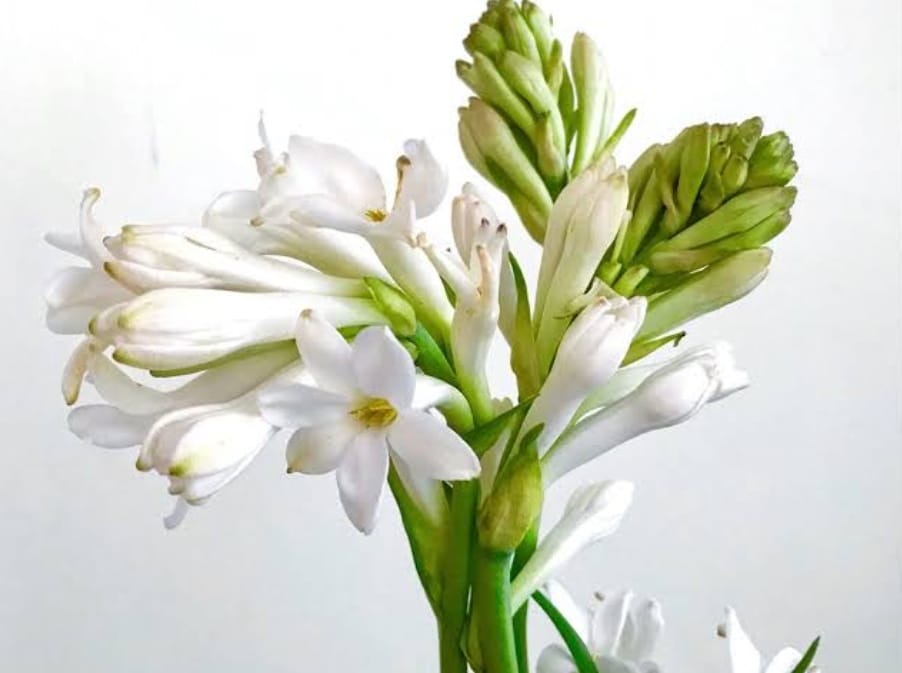
Tuberose, popularly known as Rajnigandha, is one of the most loved fragrant flowering plants in India. Its long spikes of waxy white flowers release a rich, sweet aroma, especially in the evening—making it a favorite for home gardens, terraces, and even balconies.
The good news? Growing tuberose is easy, low-maintenance, and highly rewarding if you follow the right steps.
This complete guide will walk you through how to grow tuberose at home, from bulb selection to blooming care.
Table of Contents
Why Grow Tuberose at Home?
Tuberose is more than just a beautiful flower. It’s widely used in garlands, perfumes, and religious offerings. The plant is hardy, adapts well to Indian climates, and blooms repeatedly with proper care. Even beginners can successfully grow tuberose with minimal effort.




Best Climate and Season for Tuberose
Tuberose thrives in warm and humid climates. The ideal temperature range is 20°C to 35°C. In India, the best time to plant tuberose bulbs is from February to April or during the early monsoon season (June–July). In frost-free regions, it can be grown almost year-round.
Also Read:How to Grow Your Own Organic Lavender
Choosing the Right Tuberose Bulbs
Healthy bulbs are the foundation of successful growth.
- Select medium to large-sized bulbs (2–3 cm diameter)
- Bulbs should be firm, disease-free, and free from cuts
- Avoid shriveled or moldy bulbs
- Double-flowered varieties are more fragrant, while single types bloom earlier
Before planting, you can soak bulbs in water for 1–2 hours to speed up sprouting.
Soil Preparation
Tuberose prefers well-drained, fertile soil. Poor drainage can cause bulb rot.
Ideal soil mix:
- Garden soil – 40%
- Well-rotted compost or vermicompost – 30%
- River sand or cocopeat – 30%
The soil pH should be slightly acidic to neutral (6.5–7.5). If growing in pots, ensure proper drainage holes at the bottom.
How to Plant Tuberose Bulbs
You can grow tuberose both in pots and in open ground.
Planting Steps:
- Fill the pot or bed with prepared soil
- Plant bulbs 5–7 cm deep, pointed side up
- Keep spacing of 15–20 cm between bulbs
- Cover lightly with soil and water gently
Sprouting usually begins within 10–20 days after planting.
Also Read: Asparagus Cultivation: A Complete Guide for Successful Farming
Sunlight Requirements
Tuberose loves sunlight. Provide at least 6–8 hours of direct sunlight daily for healthy growth and better flowering. Plants grown in partial shade may have weak spikes and fewer flowers.
Watering Schedule
Watering should be balanced—neither too much nor too little.
- Water immediately after planting
- Keep soil slightly moist, not soggy
- During summer: water every 2–3 days
- During monsoon: water only when topsoil feels dry
- Reduce watering in winter
Overwatering is one of the most common mistakes, so always check soil moisture before watering.
Fertilizer and Nutrition
Regular feeding encourages lush foliage and strong flower spikes.
Recommended feeding schedule:
- Add compost or vermicompost every 20–25 days
- Use liquid organic fertilizer or cow dung manure monthly
- A balanced NPK fertilizer (10:10:10) can be applied every 30 days
Avoid excessive nitrogen, as it promotes leaves but reduces flowering.
Weed Control and Mulching
Keep the area around plants weed-free to avoid competition for nutrients. Applying organic mulch like dry leaves or straw helps retain moisture and suppress weeds.
Flowering Time and Care
Tuberose plants usually start flowering 90–120 days after planting. Flower spikes grow tall and may need support. Remove spent flowers regularly to encourage continuous blooming.
After flowering, allow the leaves to remain until they turn yellow—this helps bulbs store energy for the next season.
Pests and Diseases
Tuberose is generally pest-resistant but may occasionally face issues like aphids, thrips, or bulb rot.
Prevention tips:
- Avoid waterlogging
- Spray neem oil every 10–15 days
- Remove infected leaves immediately
Harvesting and Storing Bulbs
Once the plant completes its flowering cycle and leaves dry out, bulbs can be dug up, cleaned, and stored in a cool, dry place for replanting.
Frequently Asked Questions (FAQ)
Q1. Can tuberose be grown in pots?
Yes, tuberose grows very well in pots. Choose a pot at least 10–12 inches deep with good drainage.
Q2. How long does tuberose take to bloom?
Tuberose usually blooms within 3 to 4 months after planting, depending on climate and care.
Q3. Does tuberose need full sun?
Yes, full sunlight is essential for healthy growth and abundant flowering.
Q4. How often should I water tuberose plants?
Water when the topsoil feels dry. Avoid overwatering to prevent bulb rot.
Q5. Why is my tuberose not flowering?
Common reasons include insufficient sunlight, excess nitrogen, poor soil drainage, or immature bulbs.
Q6. Can tuberose survive winter?
In mild winters, tuberose survives easily. In colder regions, bulbs should be lifted and stored.
Final Tip: With proper sunlight, well-drained soil, and timely feeding, tuberose will reward you with long-lasting, fragrant blooms year after year. Whether in a garden or a balcony pot, Rajnigandha is a must-have plant for every flower lover
Also Read: Horticulture :: Flower Crops :: Tuberose